
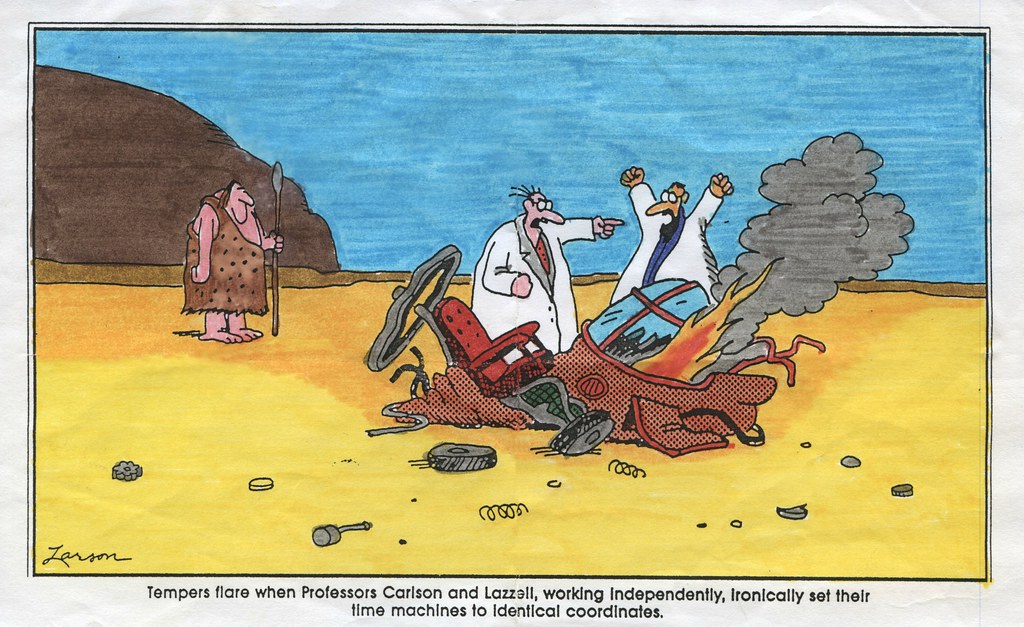
My heart broke when I heard that Schliemann carved his way through Troy with TNT. So much knowledge was lost, all so one man could gain academic approval and monetary gain. That being said, I don’t blame Schliemann too much. Early archaeology kills me. It was little better than looting. Excavation of Pompeii began in 1748 and I can’t help but wonder how much has been lost because of that. 1748. That was before Jefferson had his little “archaeology” endeavor, disrupting Native American graves. The saving grace for Pompeii is that it is enormous. Even today, only two thirds of the city have been uncovered. This means that, as science progresses, new tools and methods are developed that can tell us things that we would not have been able to know before. And this only works because there are still parts of Pompeii that remain undisturbed. But there is no such luck for Troy. Like Sophie said, any information from the Great Trench now lays in a mess pile off to the side. And I have to wonder about other sites. Sites that were torn apart for their goods. What knowledge was lost because of that? And what can we do with the history that has been lost? I think some processes are already in place.
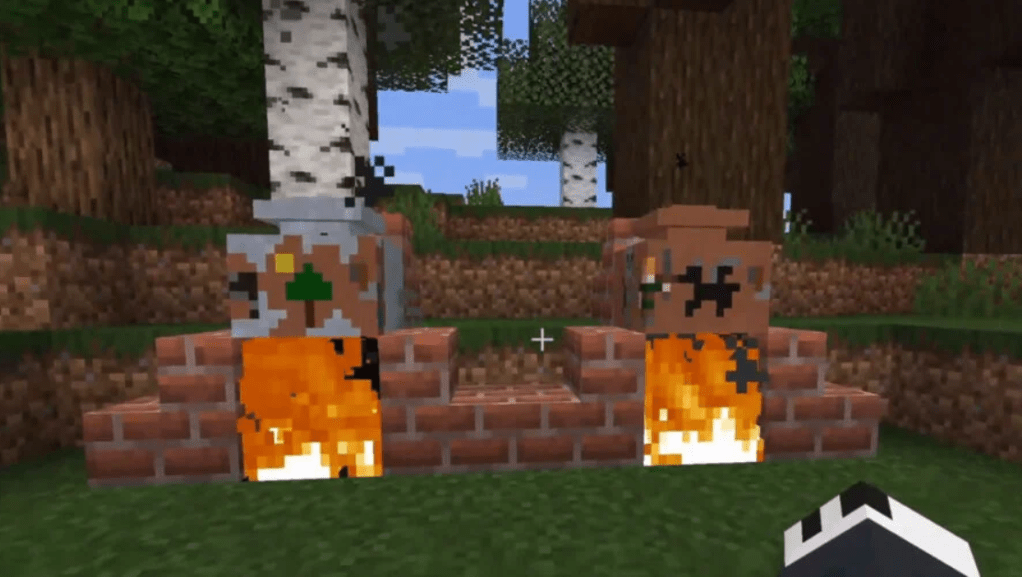
I’m going to change gears wildly here, although I promise it is still related. Although it isn’t part of the prompt, I have something else I want to touch on. Archaeology came up for in in a very surprising place this week – In Minecraft. This weekend, Mojang revealed a lot of info about the next big update for Minecraft. Although most of the update was about changing the Caves and Mountains, there were a few other things added. One of those is the inclusion of pre-generated archaeological dig sites. These sites seem to include some wooden structures over the sites, as well as signs indication the possible function of an area. The big thing, however, is the ability to use a brush to dig up the sites, which can reveal artifacts. The artifacts seem to be separated into two categories. One is ceramic shards, which can be fitted into a pot in any way the player wants and refired. The other are richetites, such as diamond or emerald blocks. While the dig sites do seem to come with item frames to display and preserve the finds, I will admit to being somewhat concerned. The ceramic shards, the more harmless of the two, reminds me of the recreated ceramics that Jody shared with us a few weeks back. The ones which appeared to be fully restored pieces, but were revealed by tests to be heavily added to. And the player can arrange the shards any way they want on the pots, which gets concerningly close to manipulating history.
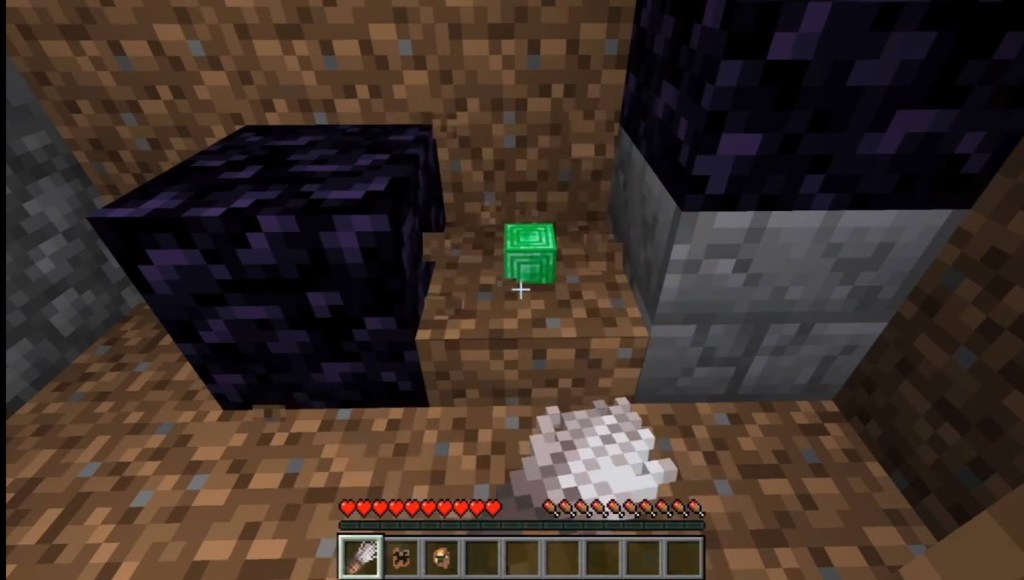
However, to me the second is more concerning. Say you are the average player. You find a dig site, go through the slow process of brushing away dirt to find a diamond block. Are you going to carefully preserve the diamonds? Or are you going to add them to your own stockpile of richetites? There is no punishment system in place that might prevent the player from just pocketing the goods. And in that way, Minecraft is, unintentionally, advocating for the looting of archaeological sites. This especially strikes hard given what we have read about Schliemann and Priam’s Treasure. A random person wandering around, finds an archaeological site, and decides to start rummaging around to see what they can find. While the Minecraft system does emphasize slow, methodical work, with artifacts breaking if you attempt to dig through the block carelessly, so you couldn’t just TNT your way through like Schliemann, it does offer the players the easiest diamond block they’ve ever gotten with no system in place to question the morality of what they are doing. So, while it is exciting to see Minecraft exposing people to archaeology, the lack of restrictions is concerning, to say the least, and are reminiscent of archaeological looting practices.
 Transgression In Action
Dear James,
I too was disturbed by the nature in which Schliemann performed his excavation of Troy. All of that history lost to a few sticks of dynamite, I think it is interesting to compare unscientific excavations such as Schliemann’s with a form of looting. Not only do they loot the sites of gold and artifacts, but also history and context to learn from.
I really appreciated that you tied these ancient topics to a very tangible example of archeology in Minecraft. I myself have never played, but it is interesting to see modern takes on archeology and to see the possible ramifications of a problem-free, easy excavation process. I had never thought of it as Minecraft’s place to pose ethical questions about archeology, but the entitlement that comes with finding a dig site and taking the treasure for yourself is incredibly problematic. Though it is not a terribly big deal, as you mention, I think it’s important to identify how archeology is preserved by the public and the implications that that has. I appreciate the new ideas you brought up in this post!
Sincerely,
Eloise Cherian
LikeLike