
One thing that reading Archaeology Essentials made me think is tied to the question we all seemed to have after our meeting with Ally the other week: Who has the right to write history?
We all write history every day. Telling a friend about something that happened to you. Your family talking about your great great grandmother. Writing a paper about some time period. Every time we describe the past, we are influencing what some people think about that event. Not to get to philosophical, but everything we do is defining history. Every second that passes becomes a part of the millions of years of the history of the universe. As soon as I write these words, they become a part of history. I try not to think about that too hard.
Historians and archaeologists are the more traditional example of writing history every day. Whether it is in uncovering some new artifact, translating a new document, or simply connecting the dots to figure out a new theory about a civilization. Even just telling someone about a part of history is defining that person’s perspective of the topic. All of this impacts what people think about a given historical topic. This can be problematic because everyone has their own biases, conscious or subconscious. If everyone has their own beliefs and biases, who has the right to write history?
Obviously, I’m not saying we just sack it all and never talk about the past. I am a firm believer that those who do not learn from history are doomed to repeat it. However, we do need to be careful. We have examples of what happens when someone with biases – well, everyone has biases. More problematic biases – writes history. Look at the history of slavery, the Civil War, the Confederacy, that entire package, in the United States. I grew up in Colorado so I had a decent education (being a swing state is fun I swear), but I’m sure one of my classmates who grew up in the South can talk about how they got a very different education. We all know about the people who fly the Confederate flag and proudly declare that the Civil War was about states’ rights, not slavery. This is because some people, to defend the questionable morality of the Confederacy, decided to shift the discussion away from slavery and say instead that they were just fighting government overreach. This is, of course, wrong. If the Civil War wasn’t about slavery then someone really ought to tell Confederacy that, as a number of their declarations of succession listed slavery as a cause. But someone told another person that it was about states’ rights and that has become how some people see the history.
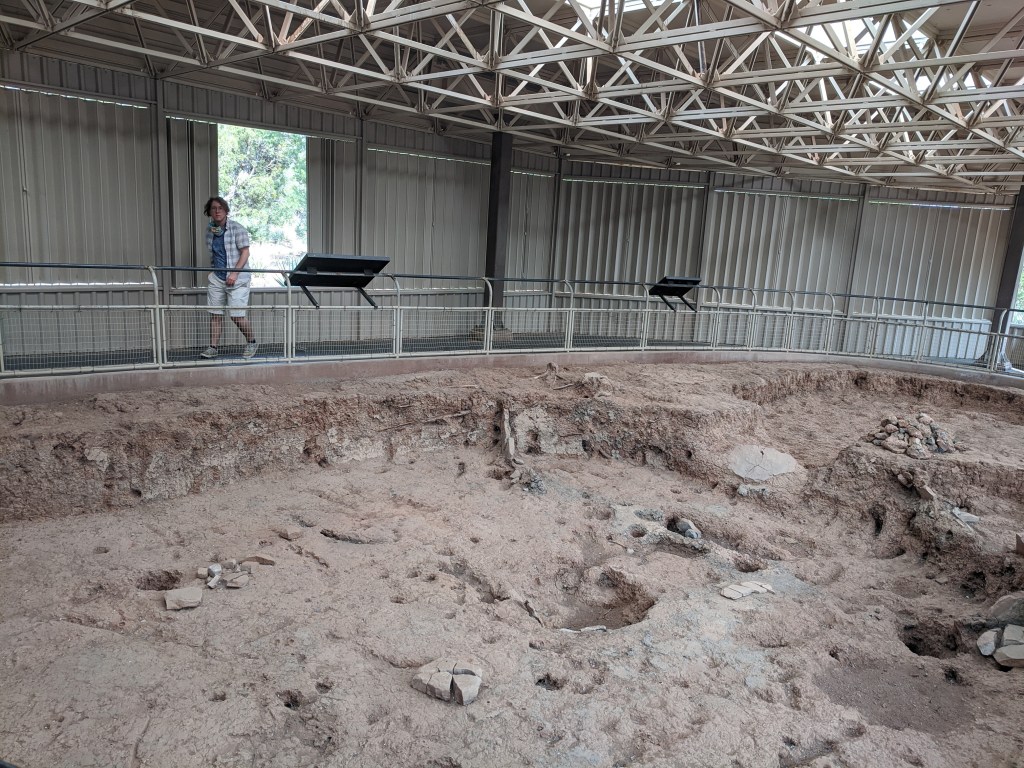
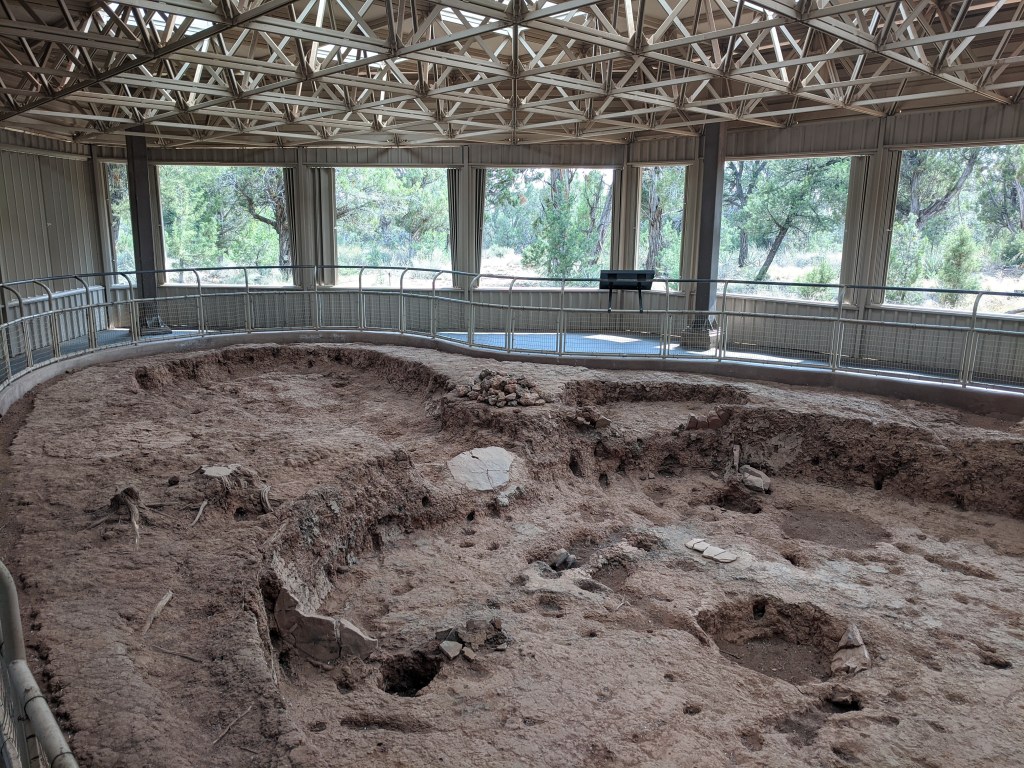
Even just the smallest things can be impactful. A personal experience from a few years ago comes to mind. I had just gotten done with attending an archaeological program just outside of Mesa Verde, where we learned a wide range about the Ancestral Puebloans. After the program was over, my parents and I spent some time exploring the sites at Mesa Verde. This included a tour of the non-cliff dwelling sites. One site in particular was a great pithouse from around 600 AD. The tour guide incorrectly said that it was the normal size for a pithouse, when in reality it was about double the regular size, thus it being “great”. While this is a relatively minor mistake and impacts very few people, it is still an example of how small things can alter people’s view of history.
Again, I do not think that we should just ignore history all together. However, I think we should think about the impacts of what we do and say. We need to be aware of our biases, and the biases of works we are reading.
 Transgression In Action
Hi James,
Your question about who has the right to write history is an excellent one. My first thought is that everyone should equally posses that power, but obviously in our history, that has not been the case. There are so many underrepresented narratives that we will never know about, and it makes me feel so stressed!! It’s like what you said about unreliability of education due location- this is a problem that could be resolved to give future historians a shot at telling the whole story!! I used to live in Tennessee until I was about 8 and I moved to Illinois, and not only was some of the content of my education different, but the quality of it was as well. Sometimes I think about what my life would’ve been like if I had stayed there. Like you mentioned, there is plenty of potential for the butterfly effect in history. What would I know? What would I not know? Who knows. All I know is that your blog post was great, keep up the good work!!!!
-Jayda
LikeLike